


10 Essential Checks for a Home AC Not Cooling in Summer Heat
- Michelle Jonas
- Jun 15
- 3 min read

When the summer heat hits hard, a malfunctioning air conditioner can turn your home into an uncomfortable oven. If your AC is running but not cooling, it’s frustrating and can feel overwhelming. Before calling a technician, there are several simple checks you can perform to identify common problems. These steps can save you time and money, and sometimes the fix is easier than you think.
1. Check the Thermostat Settings
Start with the thermostat. Make sure it is set to cool mode and the temperature is lower than the current room temperature. Sometimes, the thermostat might accidentally be set to “heat” or “fan only,” which means the AC won’t cool the air.
Confirm the thermostat is working and displaying the correct temperature.
Replace batteries if it’s a battery-operated model.
If you have a programmable thermostat, check the schedule settings to ensure cooling is active.
2. Inspect the Air Filter
A dirty or clogged air filter restricts airflow, reducing cooling efficiency and potentially causing the system to freeze up. Filters should be checked monthly during heavy use.
Remove the filter and hold it up to the light. If you can’t see light through it, it’s time to replace it.
Use the correct filter size and type recommended by your AC manufacturer.
Regular filter replacement improves air quality and system performance.
3. Examine the Outdoor Unit
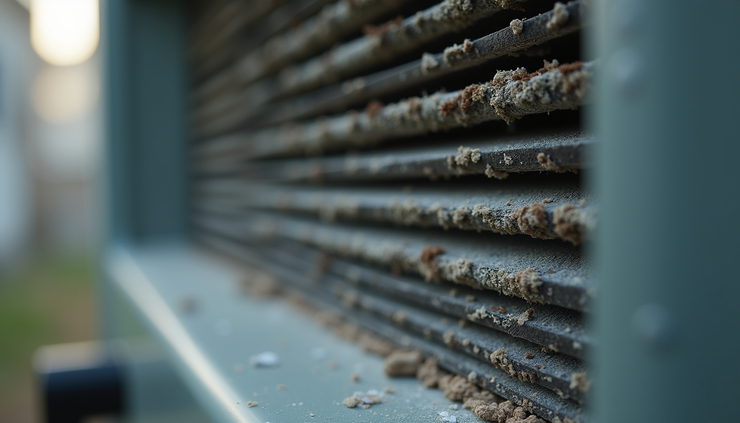
The outdoor condenser unit needs clear airflow to work properly. Debris, leaves, or dirt can block the unit and cause poor cooling.
Remove any leaves, grass, or debris around the unit.
Clean the condenser coils gently with a garden hose (turn off power first).
Make sure nothing is blocking the airflow within at least 2 feet around the unit.

4. Check the Circuit Breaker and Power Supply
Sometimes the AC won’t cool because it’s not getting enough power.
Locate your home’s electrical panel and check if the breaker for the AC unit has tripped.
Reset the breaker if needed.
Confirm the outdoor unit’s disconnect switch is turned on.
If breakers keep tripping, this could indicate an electrical issue needing professional attention.
5. Look for Ice on the Evaporator Coil or Refrigerant Lines
Ice buildup on the indoor coil or refrigerant lines signals a problem with airflow or refrigerant levels.
Turn off the AC and let the ice melt.
Check if the air filter is clean and the blower fan is working.
Low refrigerant due to leaks requires a certified technician to repair and recharge the system.
6. Inspect the Drain Line for Clogs
The drain line removes condensation from the system. If clogged, water can back up and cause the AC to shut down or reduce cooling.
Locate the drain line near the indoor unit.
Use a wet/dry vacuum or a plumber’s snake to clear any blockages.
Pour a mixture of water and vinegar down the drain line monthly to prevent mold and algae buildup.
7. Verify the Fan Operation
Both the indoor blower fan and the outdoor condenser fan must run for proper cooling.
Listen for the fans when the AC is on.
If a fan isn’t running, it could be a motor or capacitor issue.
Fan problems usually require professional repair.
8. Check for Refrigerant Leaks
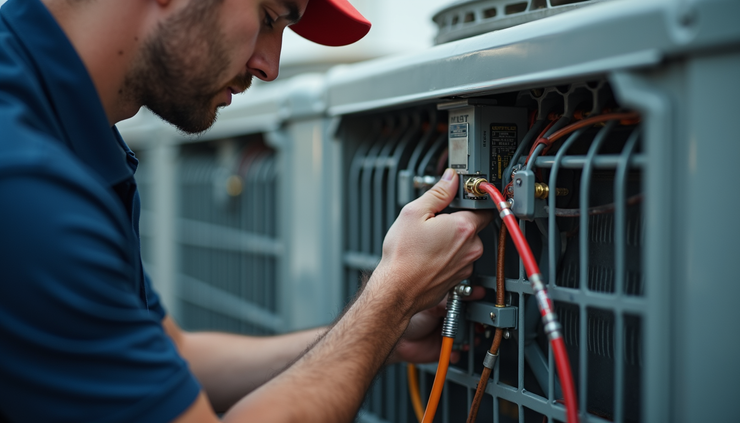
Low refrigerant levels reduce cooling power. Signs of leaks include hissing sounds, ice buildup, or warm air blowing from vents.
Refrigerant handling requires licensed technicians.
If you suspect a leak, schedule a professional inspection promptly to avoid system damage.
9. Assess the Size and Age of Your AC Unit
An undersized or old AC unit may struggle to cool your home effectively during extreme heat.
If your AC is over 10-15 years old, it might be less efficient.
Consider an energy audit or professional evaluation to see if replacement is more cost-effective than repair.
Properly sized units cool more evenly and use less energy.
10. Evaluate Home Insulation and Ventilation
Sometimes the problem isn’t the AC itself but how your home retains heat.
Check for gaps around windows and doors where cool air escapes.
Use curtains or blinds to block direct sunlight during the hottest parts of the day.
Ensure attic and wall insulation is adequate.
Use ceiling fans to improve air circulation and reduce cooling load.


Comments