


Recognizing HVAC Emergencies and Solutions: Emergency HVAC Solutions for Your Home

When your heating, ventilation, and air conditioning (HVAC) system fails, it can quickly become an emergency. Knowing how to recognize HVAC emergencies and what solutions to apply can save you time, money, and discomfort. I will guide you through common HVAC emergencies, how to respond, and when to call for professional help. This information is especially useful for homeowners in the Greater Tampa Bay area who want to keep their homes comfortable and safe.
Identifying Common HVAC Emergencies and Emergency HVAC Solutions
HVAC emergencies can happen at any time. Some issues are obvious, while others may start small and grow worse quickly. Here are some common HVAC emergencies and practical solutions you can try before calling a professional:
No Cooling or Heating: If your system stops producing cool or warm air, check the thermostat settings first. Make sure it is set to the correct mode and temperature. Also, check your circuit breaker to see if the HVAC unit has lost power. If these are fine, the problem could be a refrigerant leak or a faulty compressor, which requires professional repair.
Strange Noises: Loud banging, grinding, or squealing noises coming from your HVAC system indicate mechanical problems. These noises often mean loose or broken parts. Turn off the system immediately to prevent further damage and schedule a service call.
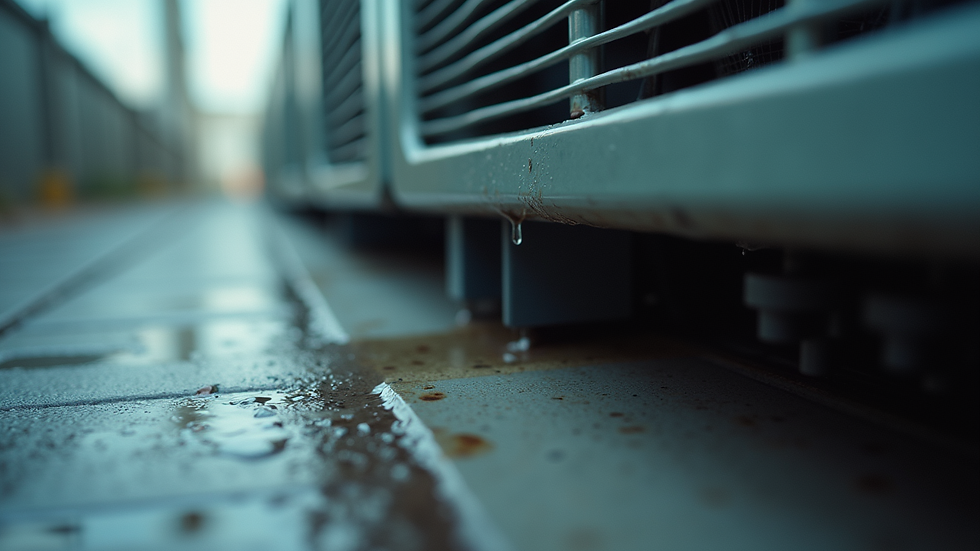
Water Leaks: Water pooling around your HVAC unit or inside your home can signal a clogged condensate drain or a refrigerant leak. Clean the drain line if you can access it safely. If the leak continues, call for professional help to avoid water damage.
Foul Odors: Musty or burning smells from your HVAC system can indicate mold growth or electrical issues. Turn off the system and have it inspected to prevent health risks or fire hazards.
Frequent Cycling: If your HVAC system turns on and off frequently, it may be short cycling. This can be caused by a dirty filter, thermostat problems, or an oversized unit. Replace filters regularly and check thermostat settings. Persistent issues need professional diagnosis.
These are some of the most common emergencies you might face. Knowing these signs helps you act quickly and avoid bigger problems.
How to Handle Emergency HVAC Situations with Emergency HVAC Solutions
When you face an HVAC emergency, your response matters. Here are steps to take immediately:
Turn Off the System: If you notice strange noises, smells, or leaks, turn off your HVAC system to prevent further damage or safety risks.
Check Basic Components: Inspect your thermostat, circuit breaker, and air filters. Sometimes, simple fixes like resetting the breaker or changing a filter can restore function.
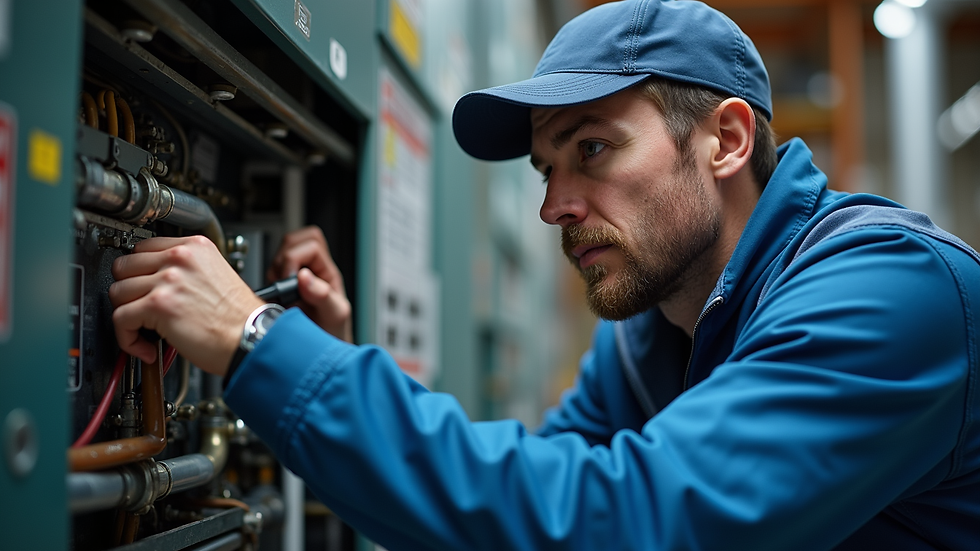
Avoid DIY Repairs on Complex Issues: Do not attempt to fix refrigerant leaks, electrical components, or mechanical parts yourself. These require licensed technicians.
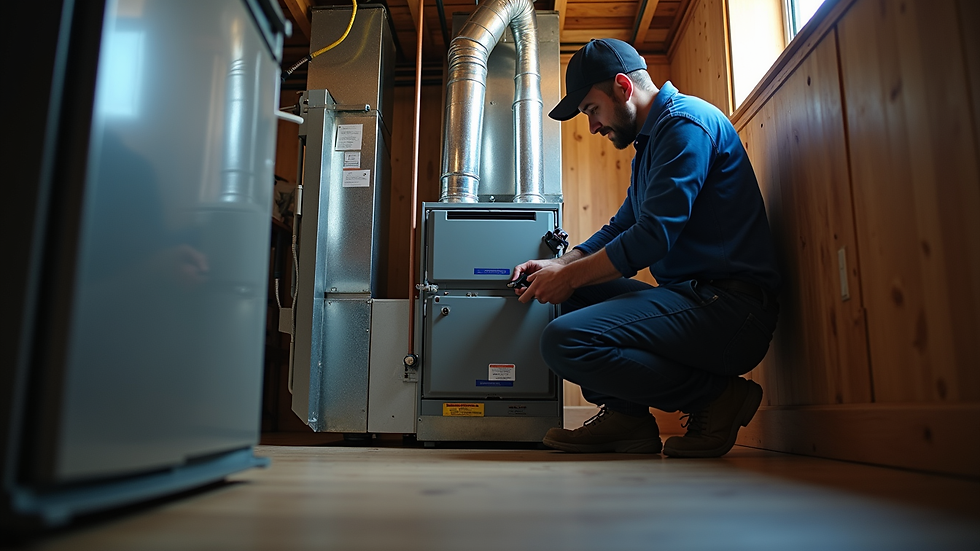
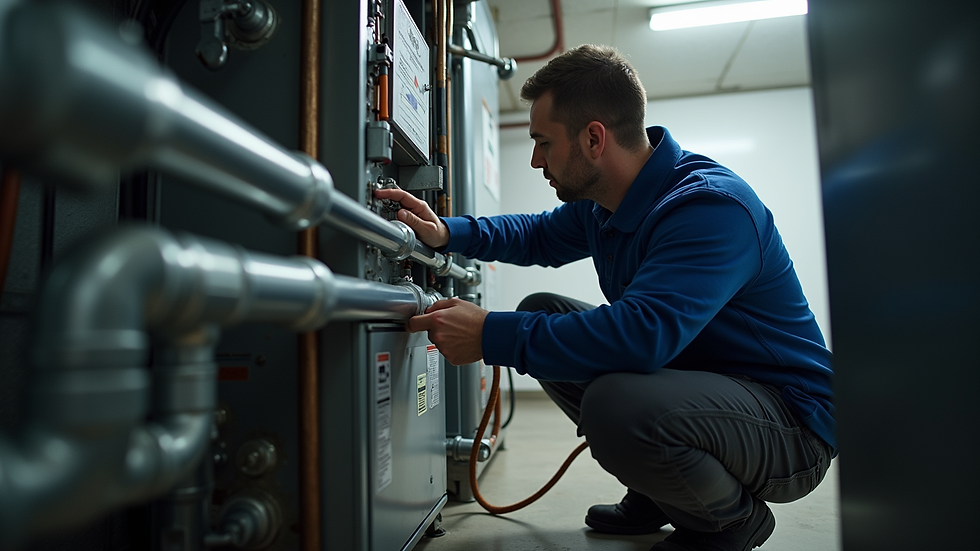
Call for Professional Help: Contact a trusted HVAC service provider for emergency repairs. For residents in the Greater Tampa Bay area, I recommend emergency hvac services hernando for fast and reliable assistance.
Prepare for Temporary Comfort: Use fans, portable heaters, or window units to maintain comfort while waiting for repairs.
Schedule Regular Maintenance: Prevent emergencies by having your HVAC system inspected and serviced at least once a year.
Following these steps ensures safety and minimizes downtime during HVAC emergencies.
What is the $5000 Rule for HVAC?
The $5000 rule is a guideline some homeowners use to decide whether to repair or replace an HVAC system. It suggests that if the cost of repairs exceeds $5000, it may be more cost-effective to replace the entire system. Here is how to apply this rule:
Assess Repair Costs: Get a detailed estimate from a professional for the needed repairs.
Consider System Age: If your HVAC system is over 10-15 years old, investing in repairs might not be wise.
Evaluate Energy Efficiency: Newer systems are more energy-efficient and can save money on utility bills.
Factor in Comfort and Reliability: Frequent breakdowns reduce comfort and increase stress.
Using the $5000 rule helps you make informed decisions about your HVAC system. However, always consult with a trusted technician to understand your specific situation.
Signs You Need Emergency HVAC Services
Recognizing when to call for emergency HVAC services is crucial. Here are clear signs that you should not delay:
Complete System Failure: No heating or cooling at all, especially during extreme weather.
Electrical Issues: Sparks, burning smells, or tripped breakers related to your HVAC system.
Water Damage: Persistent leaks causing water pooling or damage to your home.
Unusual Noises: Loud banging or grinding sounds that continue after turning the system off and on.
Health Concerns: Moldy smells or poor air quality affecting your family’s health.
If you notice any of these signs, contact emergency HVAC services immediately. Quick action can prevent costly repairs and keep your home safe.
Preventing HVAC Emergencies with Regular Maintenance
The best way to avoid HVAC emergencies is through regular maintenance. Here are practical tips to keep your system running smoothly:
Change Air Filters Monthly: Dirty filters reduce airflow and strain your system.
Schedule Annual Inspections: Have a professional check your system before peak seasons.
Keep Outdoor Units Clear: Remove debris, leaves, and plants around your outdoor unit.
Monitor Thermostat Settings: Use programmable thermostats to avoid overworking your system.
Listen and Smell: Pay attention to unusual sounds or odors and address them early.
Seal Ducts and Insulate: Proper duct sealing and insulation improve efficiency and reduce wear.
Regular maintenance not only prevents emergencies but also extends the life of your HVAC system.
Taking Action When HVAC Emergencies Occur
When an HVAC emergency happens, staying calm and acting quickly is important. Here is a checklist to follow:
Turn off the HVAC system immediately if you detect any danger signs.
Check for obvious issues like tripped breakers or dirty filters.
Avoid using the system until a professional inspects it.
Contact a reliable emergency HVAC service provider.
Use temporary heating or cooling solutions to maintain comfort.
Keep a record of repairs and maintenance for future reference.
By following these steps, you protect your home and family while ensuring your HVAC system gets the care it needs.
Understanding HVAC emergencies and solutions helps you respond effectively when problems arise. Keeping your system well-maintained and knowing when to call for professional help ensures your home stays comfortable year-round. For urgent needs, do not hesitate to reach out to trusted emergency hvac services hernando. Your home’s comfort and safety depend on timely and proper HVAC care.

Comments